River resources has been affected by various factors, including long term effect of climate change altering rainfall-runoff relationship, and short term effect due to human interventions e.g., land-use and land-cover (LULC), dam construction etc. The combined effects of both disturbances may have led to water shortages. From recent study we find that LULC is the major primary factor and more dominant over climate change, in the reduction of water discharge from rivers.
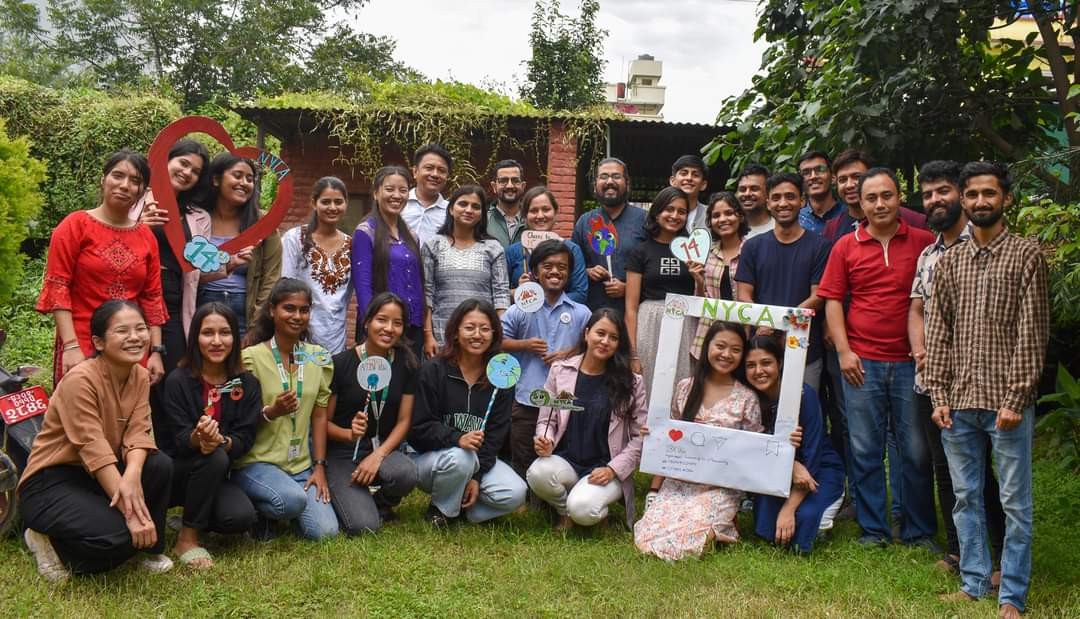
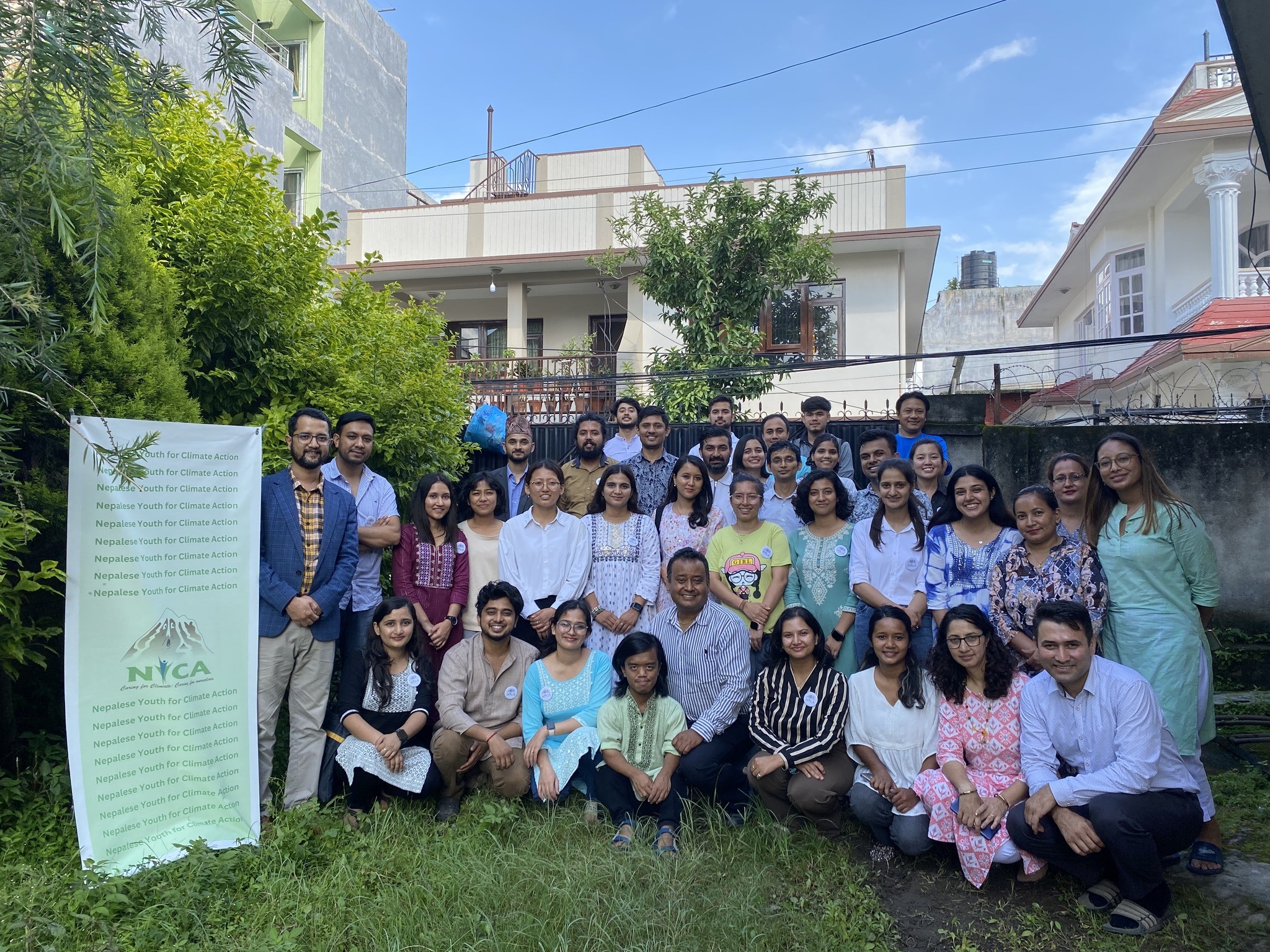
Nepalese Youth for Climate Action together with Clean Energy Nepal (CEN) organized Green Discussion program on the topic “Impacts of Land-use and Land-cover (LULC) on Water Resources” on 2nd April, 2018 at ENPHO Hall, Thapagaun, Baneshwor. Mr. Lalmani Wagle, Program officer of CEN presented about the land use and land cover impacts on water resources as well as also shared his research paper of Sardu khola of Dharan. This presentation was of open type of discussion. He stated that Land Use and La
nd Cover are two different things but commonly we use it as synonym. Land cover is a biophysical cover whereas land use is human use of land resources. According to Mr. Wagle the objective of the research was to study the impact of land cover on water quality of Sardu river. He added that during the process of urbanization the soil erosion rate has been high while infiltration and recharge rate of water in soil has been decreased. Consequently the level of water resources increases while raining and slowdown in few hours. The land cover of dharan has been changing in last 20 years (grassland-forest, agricultural land-settlement and flood plains-forest and settlement). Also the water parameter such as dissolved oxygen, alkalinity, hardness, solids, chloride and many more has been altered.
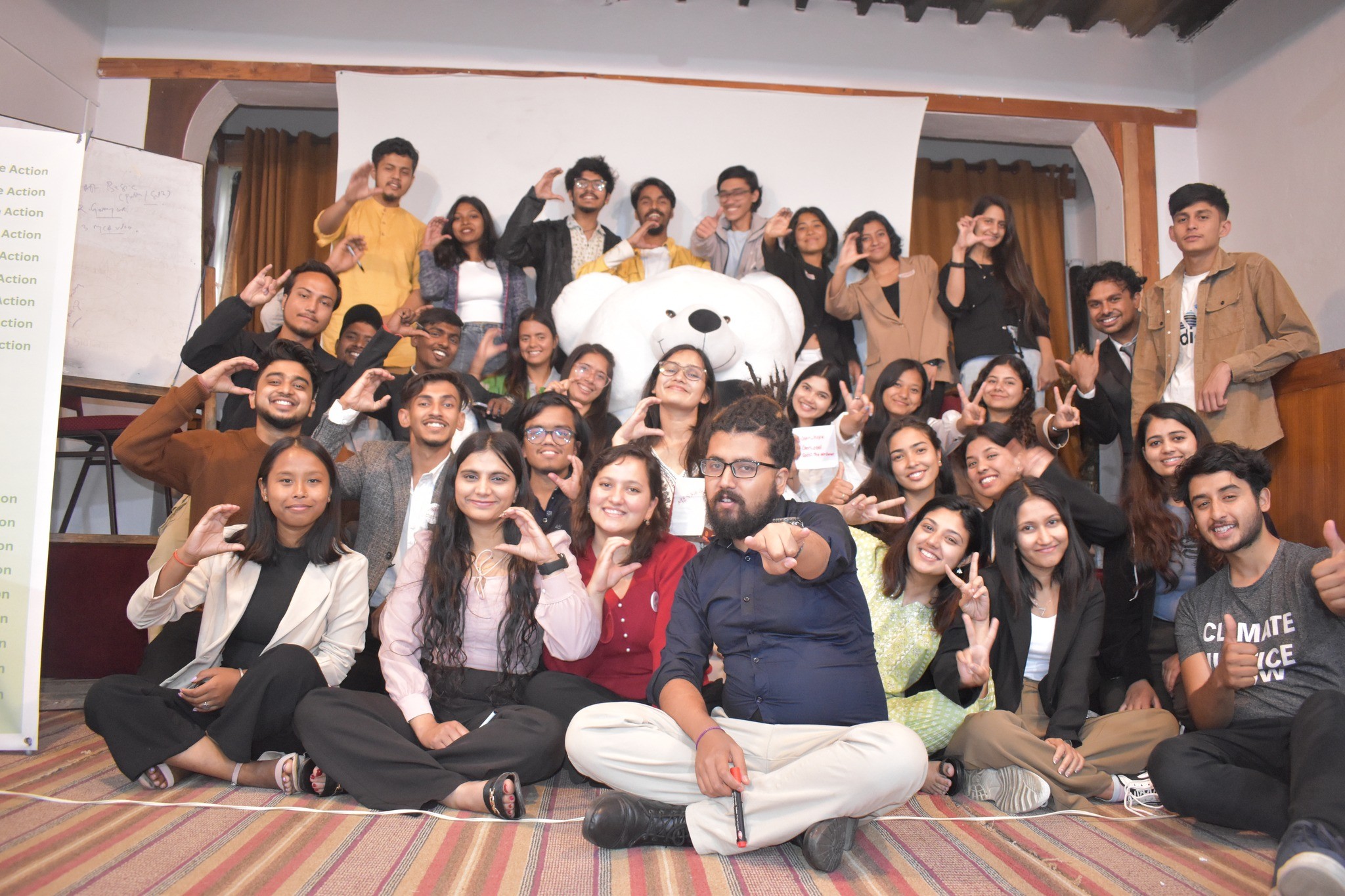
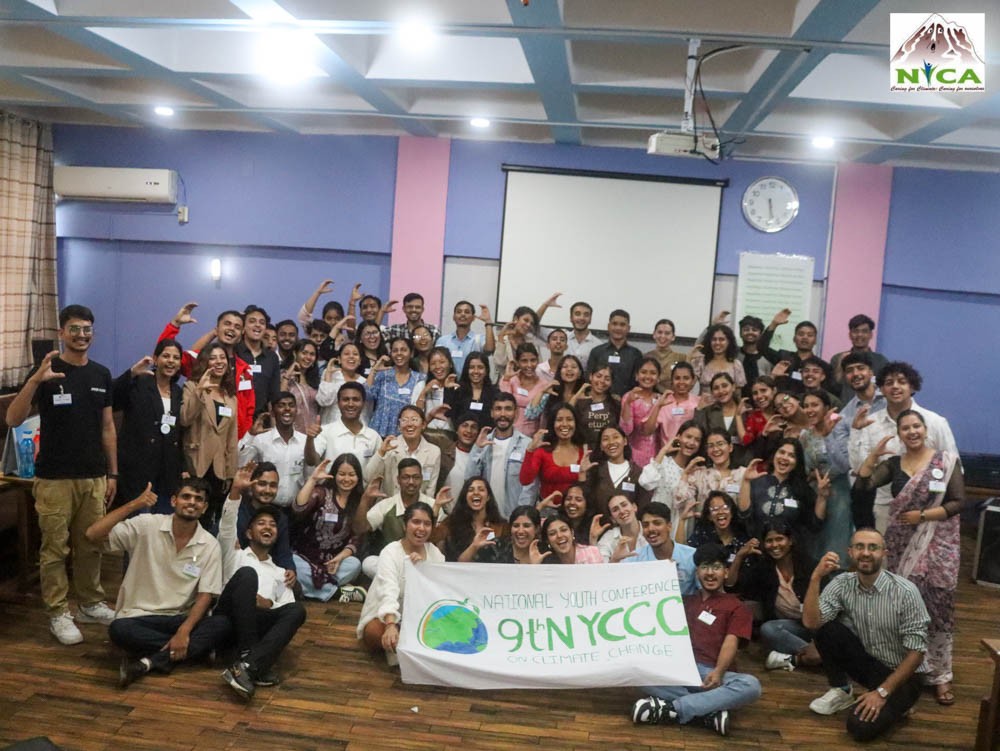
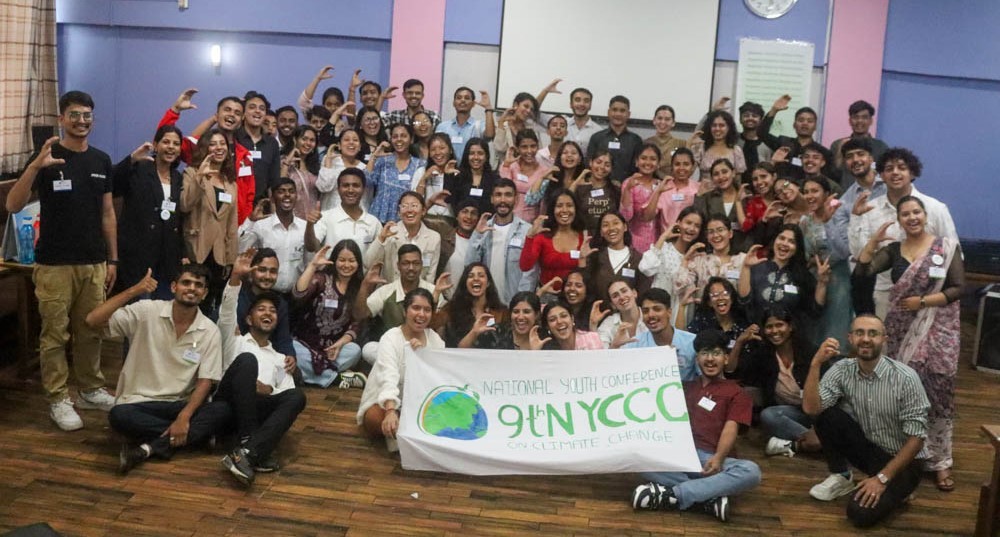
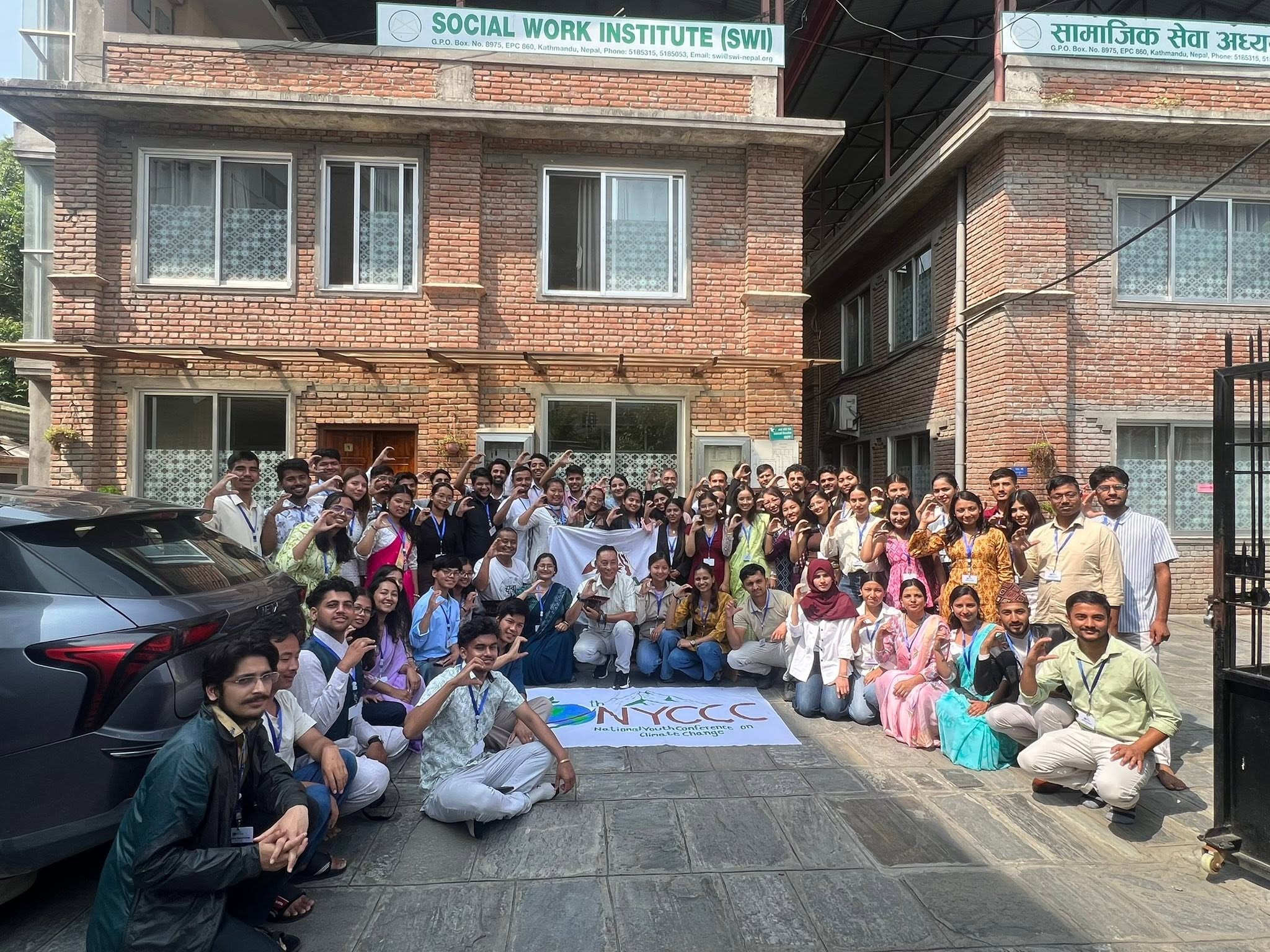
Throughout the discussion questions was raised by participants . At the end of discussion he concluded that the water quality of Sardu river which is one of major water source of dharan is in its natural condition in the source and seems to be slightly polluted in downstream. Over 40 Participants from different institutions and organizations attended the Green Discussion and participants were interactive.